The global packaging industry is undergoing a significant transformation, driven by consumer preference for sustainable materials and e-commerce growth, which in turn is accelerating demand for more intelligent, flexible, and eco-efficient automated box-making machinery. A clear market shift is evident as converters and brand owners move away from traditional plastics and complex laminates toward recyclable, paper-based folding cartons. This trend necessitates advanced machinery capable of handling a wider variety of board grades—from lightweight virgin fiber to heavier recycled stock—with precision and speed, while minimizing material waste and energy consumption.
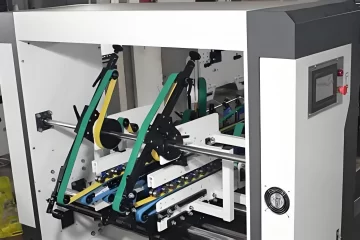
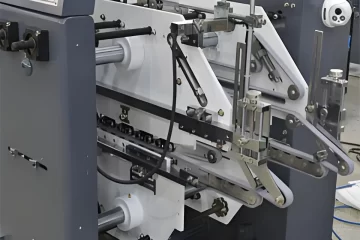
Responding to this demand, the latest generation of automated folder gluers and integrated lines now incorporates several key innovations. First is enhanced material intelligence, where sensor systems automatically detect board caliper, stiffness, and moisture content to adjust folding parameters, glue application, and pressure in real-time. This ensures consistent quality when switching between different sustainable substrates, reducing setup waste. Secondly, modular flexibility has become paramount. Manufacturers are designing systems where modules for specialty functions—such as processing crash-lock bottoms, complex 4/6-corner designs, or inline window patching—can be integrated or reconfigured rapidly. This allows a single production line to efficiently manage the short runs and diverse box styles required for targeted e-commerce fulfillment and limited-edition sustainable packaging.
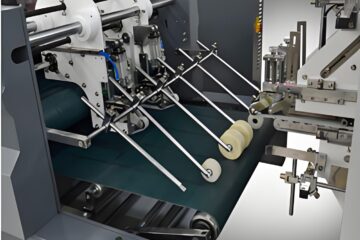
Furthermore, the industry is witnessing a strong push toward closed-loop production efficiency. Beyond the core folding and gluing units, seamless integration with ancillary systems is critical. This includes automated blank feeders that optimize sheet utilization, inline plasma treatment units to ensure strong adhesive bonds on recycled or coated boards without chemical primers, and smart stacking systems that organize finished boxes for direct shipment. The overarching goal is a continuous, “lights-out” compatible workflow that maximizes output while minimizing the carbon footprint per box produced.
The future trajectory points toward fully digitalized and connected machinery. The integration of Industrial Internet of Things (IIoT) platforms allows for predictive maintenance, remote diagnostics, and data analytics on production throughput and energy use. This digital thread not only reduces unplanned downtime but also provides converters with the data needed to further optimize material usage and certify the sustainability credentials of their packaging for end clients. As regulations on packaging waste tighten globally, the ability to efficiently produce durable, high-quality, and fully recyclable paper boxes is no longer a niche advantage but a core competitive requirement, solidifying the central role of advanced, adaptable box-making technology in the modern packaging value chain.

0 Comments