The global box-making machinery market is on a steady growth trajectory, presenting both opportunities and strategic imperatives for manufacturers, converters, and investors. Understanding the macro trends shaping this industry from 2026 to 2032 is essential for making informed decisions. Driven by the relentless growth of e-commerce, demand for sustainable packaging, and the global push for industrial automation, this sector is evolving rapidly.

Market Size & Growth: The industry represents a significant multi-billion dollar market. While growth rates are steady rather than explosive, with a projected Compound Annual Growth Rate (CAGR) around a few percent, the consistent expansion underscores the essential nature of packaging in the global economy. This stability makes it an attractive sector for long-term investment.
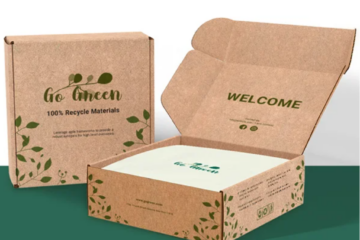
Key Application Drivers: Demand is not uniform across all sectors. The food and beverage industry remains the largest application segment, driven by the need for safe, hygienic, and eye-catching packaging. Close behind is the electronics and consumer goods sector, which demands high-precision, protective, and often premium packaging for valuable items. The cosmetics and pharmaceutical industries also represent high-value segments that require sophisticated box styles and reliable, high-speed machinery.
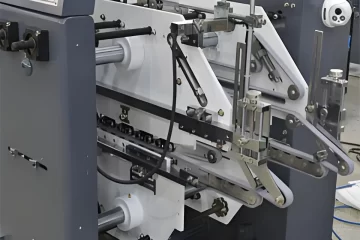
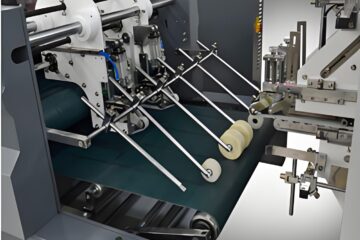
Technology Segmentation: A clear divide exists between semi-automatic and fully automatic machines. The trend is decisively in favor of full automation. As labor costs rise globally and the need for consistent quality and throughput intensifies, investment is shifting towards high-speed automatic folder gluers and integrated lines. The premium segment of the market, including intelligent and connected machines, is expected to see above-average growth.
Regional Landscape: The market is globally distributed with strong hubs. Europe and North America are mature markets with high demand for advanced, automated machinery as they focus on productivity and innovation. The Asia-Pacific region, however, is not only a major manufacturing base but also the fastest-growing market, fueled by rising domestic consumption, expanding e-commerce, and manufacturing activity. For machinery suppliers, a nuanced regional strategy is key.
Strategic Takeaways: For investors and businesses in this space, the path forward involves focusing on value-added solutions. Simply selling a machine is no longer enough. The winning formula includes:
- Offering advanced, automated, and flexible equipment that reduces labor and handles complex jobs.
- Providing integrated line solutions that improve overall efficiency for the converter.
- Developing strong service, parts, and technology support networks, especially in high-growth regions.
In conclusion, the box-making machinery market of the next decade will reward those who align with the core trends of automation, flexibility, and connectivity. By understanding these macroeconomic and sectoral insights, stakeholders can position themselves strategically to capitalize on the steady, value-driven growth that lies ahead.